


Centre for the Fourth Industrial Revolution in Serbia

Platform for the cooperation of various actors in society with the aim of improving the conditions for the application of technologies of the Fourth Industrial Revolution

In focus

What we do?

Biotech ecosystem

We bring together key stakeholders to create conditions for the development of 4IR technologies, work on improving the competences of professionals, exchange knowledge with global experts and position Serbia in the international framework.

Legal-regulatory framework

We initiate changes, participate in the adaptation and optimization of the legal-regulatory framework that will enable the application and development of 4IR technologies with a focus on medicine, healthcare, and artificial intelligence.

Situation analyses

We conduct analyzes of the state in Serbia and abroad in areas related to 4IR, we design actions and programs aimed at creating preconditions for the introduction of innovative solutions in the health system.

Projects

The Centre coordinates various projects in the field of biotechnology with the aim of enhancing conditions for the development, testing, and advancement of new technologies for the benefit of society. Our primary focus is on data from the fields of biomedicine and genetics, infrastructure development for the storage and utilization of big data, as well as the establishment of new protocols to ensure better conditions for the advancement of the health and science sectors.

The project’s objective is to establish information system and implement standards for the storage and exchange of genetic data, considering technical and data protection aspects. The Registry will be accessible to scientific and health institutions, and the data will be utilized for research and development in biotechnology, bioinformatics, bioeconomy, genetics, and medicine.

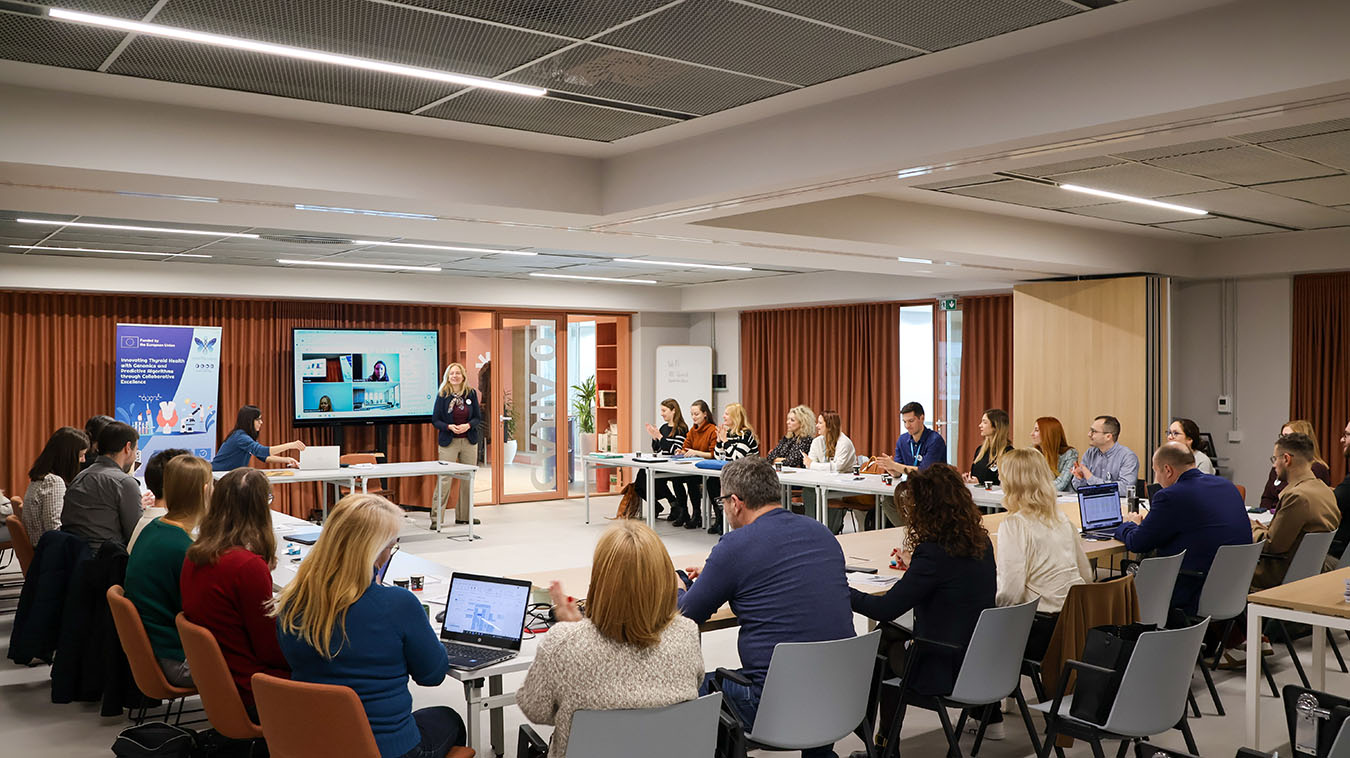
The InnoThyroGen project, funded through Horizon Europe, enhances the diagnosis and treatment of thyroid diseases by applying genomics, artificial intelligence, and digital health technologies. With IMGGE coordinating in Serbia and the involvement of C4IR Serbia, the consortium from Croatia and Serbia is developing tools for early diagnosis and personalized therapy, strengthening regional collaboration, and raising awareness of the importance of precision medicine.

The €20 million “Genome of Europe” project will gather 100,000 participants from 29 countries, including Serbia, to establish a unified European genetic database that will advance personalized medicine and public health. Serbia’s participation – through the Office for IT and eGovernment, C4IR Serbia, and IMGGE – marks its first equal involvement in the Digital Europe program.

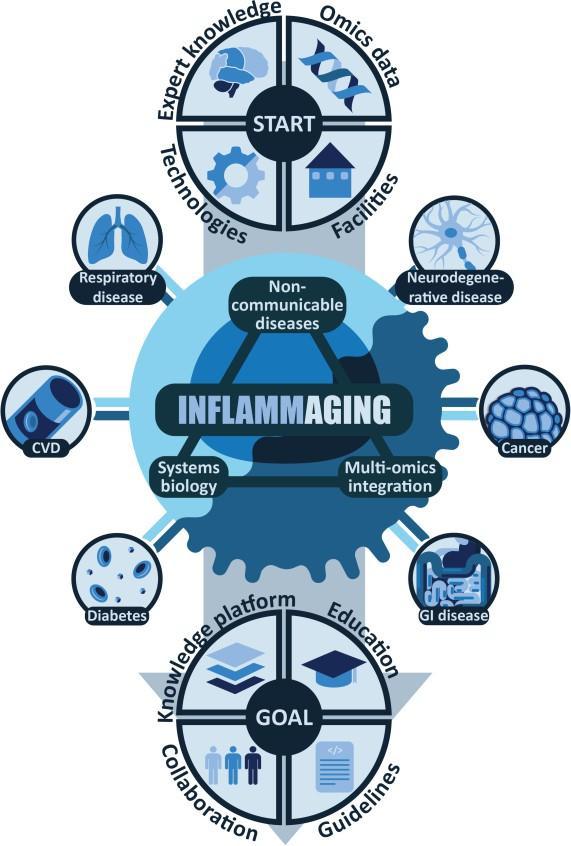
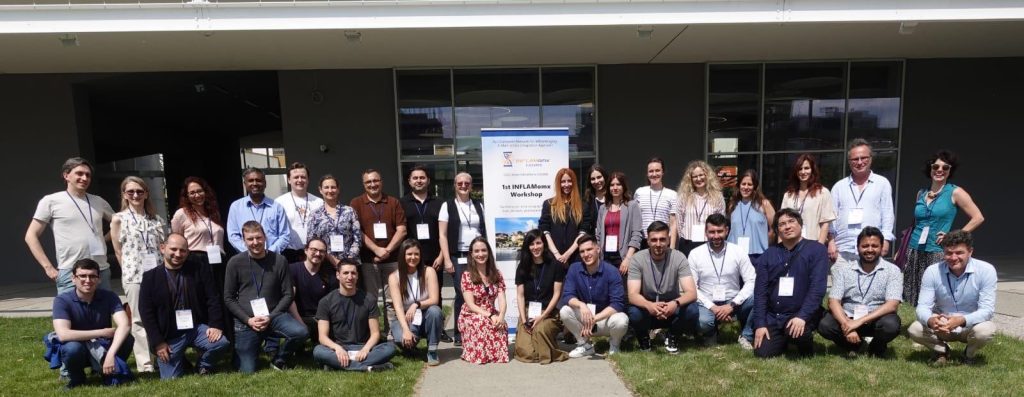
The INFLAMomx project investigates inflammaging and develops a bioinformatics framework for integrating omics data to improve diagnostics, prevention, and understanding of age-related chronic inflammation. C4IR Serbia contributes to creating data integration standards, leveraging national digital resources, and supporting clinical translation, training, and project dissemination.

We are collaborating with the Institute of Molecular Genetics and Genetic Engineering (IMGGE) on a project dedicated to NSCLC (Non-Small Cell Lung Cancer) research. Our contribution includes providing the necessary IT infrastructure resources for the storage of clinical and genetic data, as well as supporting coordination and communication among participants.

To educate and raise awareness among the broader population about the importance of applying genetics in healthcare and science, we are conducting a survey to gauge the opinions and knowledge of Serbian citizens regarding genetics, genetic research, and genetic testing.

Through all our activities and projects, we strive to strengthen the bioinformatics community. Our efforts have led to the establishment of the Genomics Section within BIRBI and the upcoming launch of the Genetic and Biomedical Data Registry. Moreover, we are introducing an official educational program in this area. 

The project includes sequencing the complete genetic material of 1,000 volunteers. The resulting whole-exome/genome data will be used to examine how genetic characteristics influence the development of chronic diseases and hereditary disorders that cause physical malformations, as well as to interpret inherited factors associated with the risk of cardiovascular and malignant diseases.

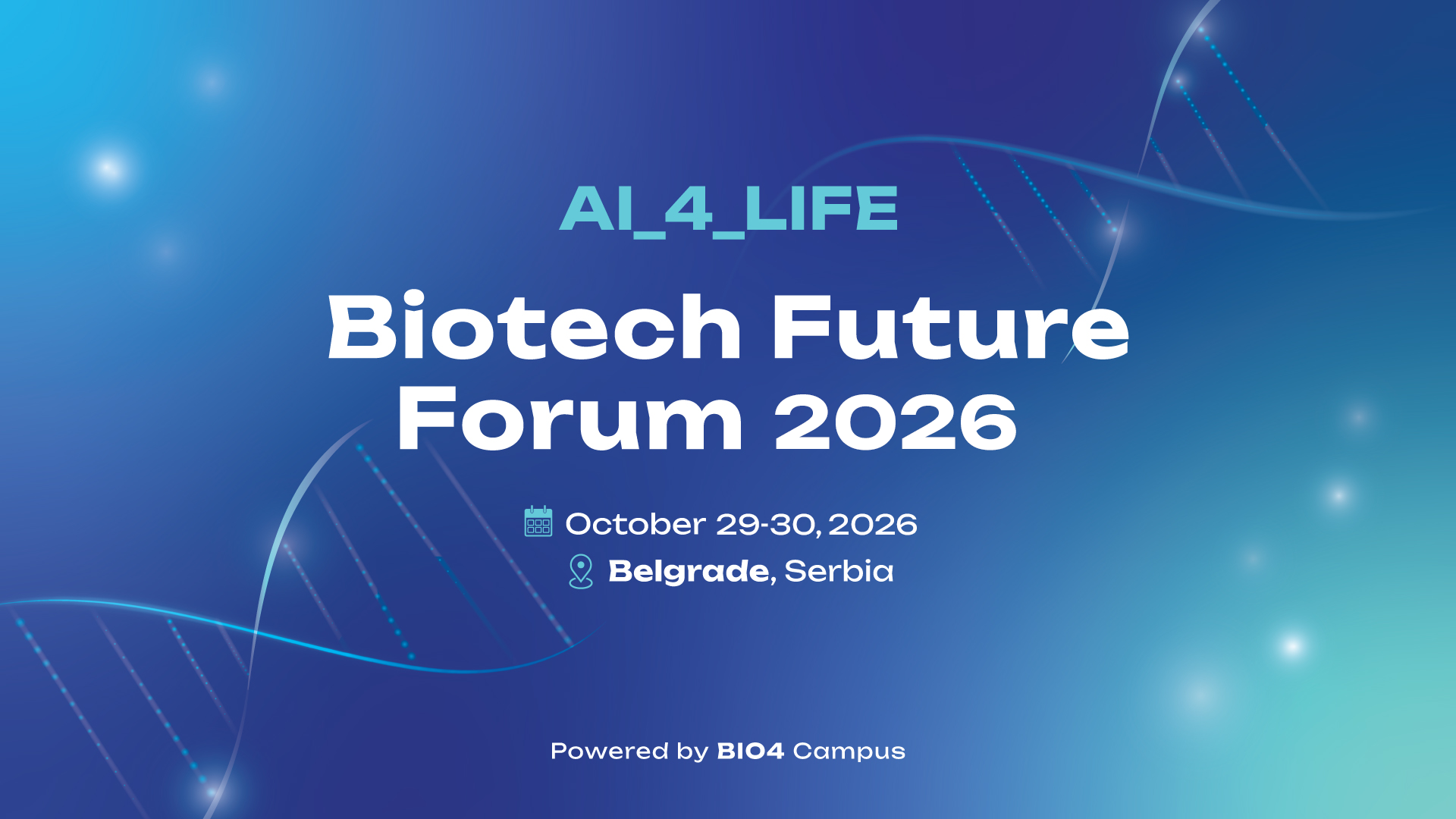
Biotech Future Forum

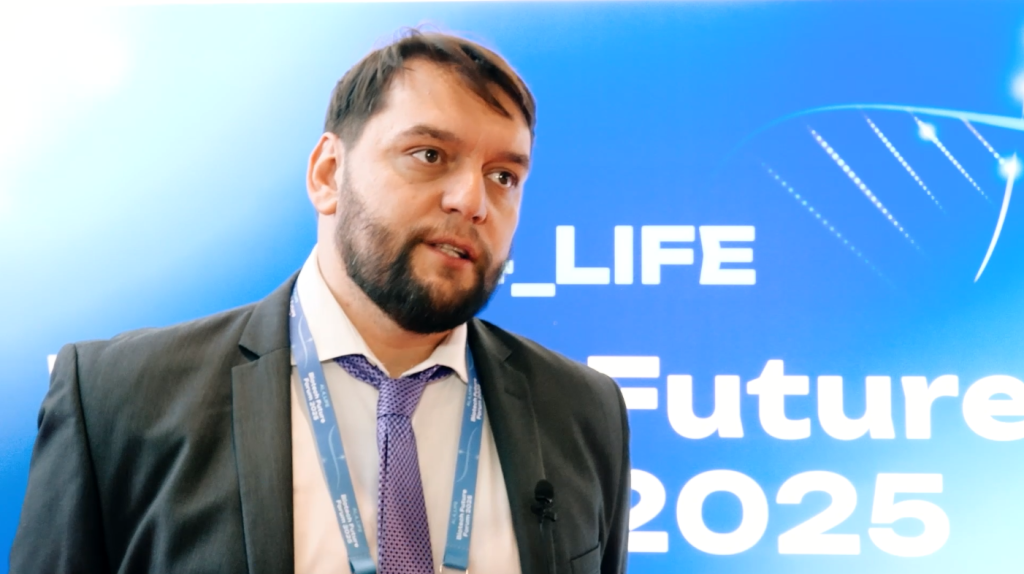
International Conference that brings together business, academic and government leaders in order to encourage cooperation and exchange of knowledge in the field of biotechnology and artificial intelligence